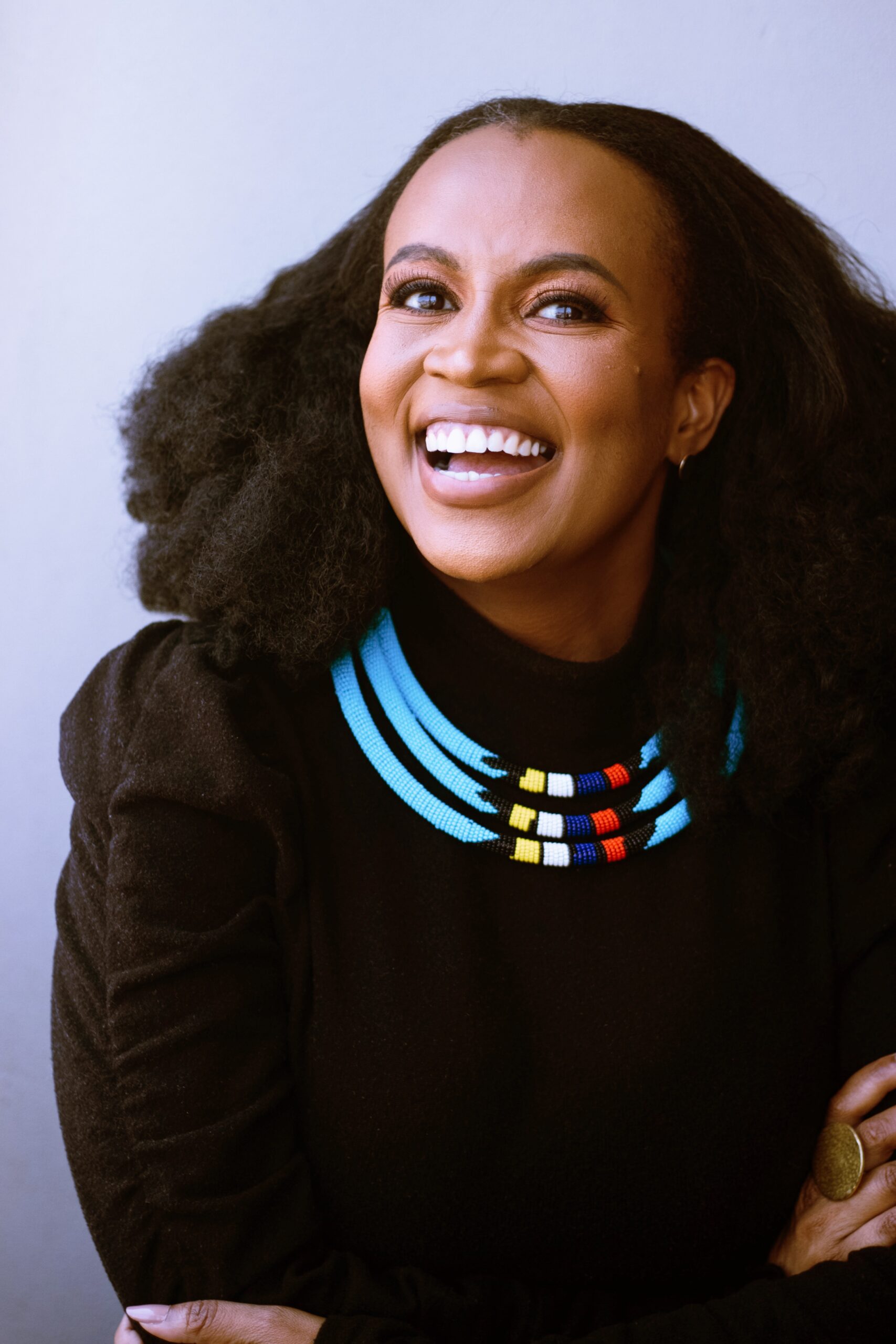


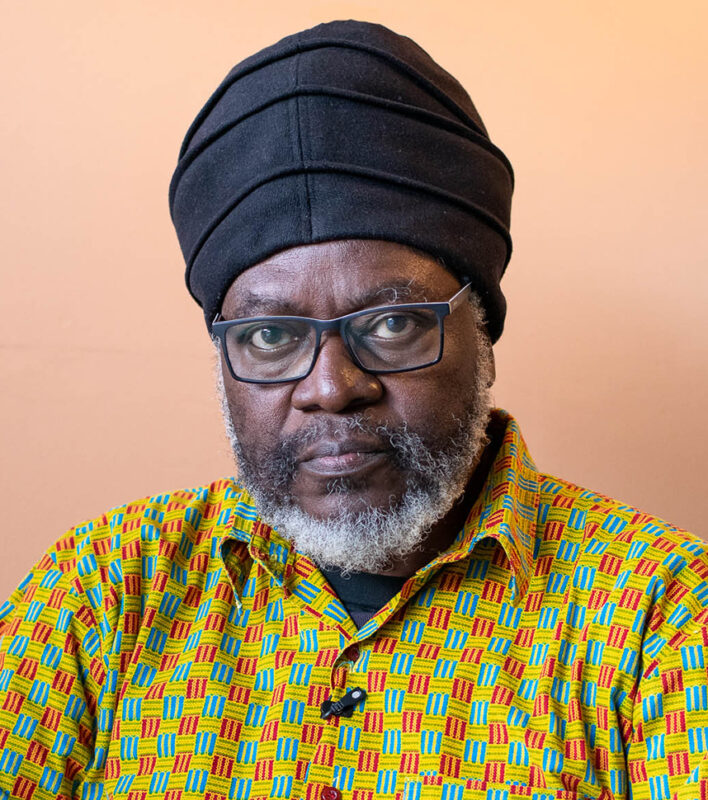
Zimbabwean design scholar Saki Mafundikwa and Australian Indigenous design expert Dr Russell Kennedy are among 21 speakers confirmed.
Additionally, they will bring together creative leaders, researchers and change-makers to explore a question: How do we design to thrive?
This event highlights Pan Afrikan Design Week 2026 as a hub for exchange and growth.
Pan Afrikan Design Week 2026 runs from 21-24 October. The three-day conference takes place from 21–23 October at Workshop17 in the Watershed, V&A Waterfront.
Speakers have been confirmed from Botswana, Kenya, Namibia, South Africa, Tanzania, Zimbabwe and Australia. Additionally, a broad range of delegates is expected from across Afrika and beyond.
Mafundikwa, the Zimbabwean design scholar, TED speaker and author of Afrikan Alphabets, will join FORMALL Design Lab Founder Juliet Kavishe.
Dr Kennedy, co-author of the International Indigenous Design Charter, will participate in the day-one dialogue.
The discussion will explore Indigenous wisdom, cultural memory, and the value of Afrika’s visual languages.
It will also consider design codes shaping contemporary practice ahead of Pan Afrikan Design Week 2026.
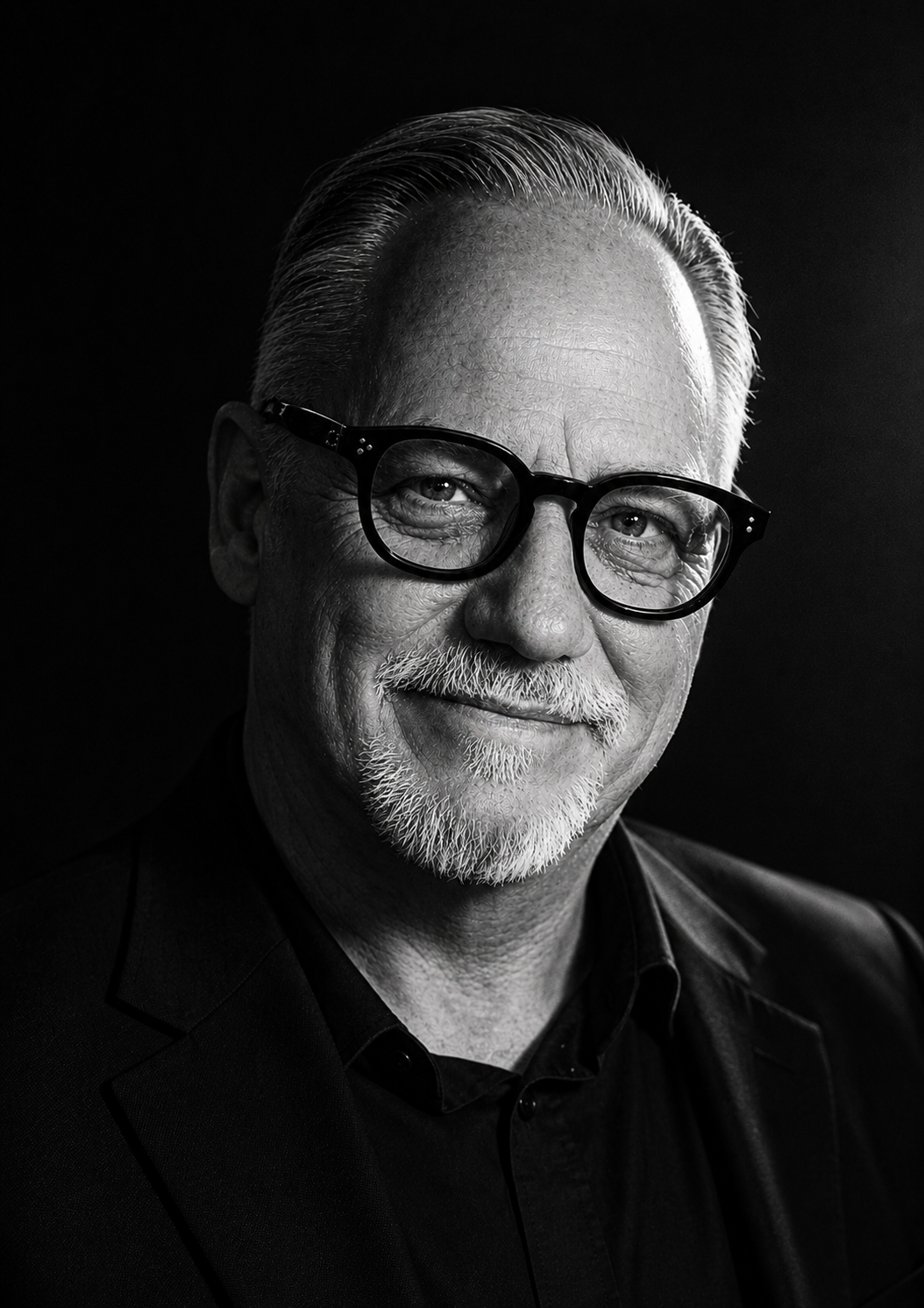
Kennedy’s participation has already generated interest among members of the international design community. The award-winning scholar is Associate Head of School (International and Partnerships) at Deakin University in Melbourne. He founded INDIGO, the International Indigenous Design Network, which connects Indigenous designers worldwide.
Both charters set protocols for respectful representation of Indigenous knowledge in design. The international charter won the Victorian Premier’s Design Award of the Year in 2018. They have been embedded in design curricula at several Australian universities. This work will be highlighted at Pan Afrikan Design Week 2026.
Day 1 – Wednesday, 21 October
Setting the agenda on the first day is Afrikan futurist Dr Njeri Mwagiru, Senior Researcher: Futures and Systemic Innovation at the South African Institute of International Affairs, who will deliver the opening keynote on Afrikan futures. Dominic Wilhelm, Co-Founder and Executive Director of The Global Trust Project, will then consider trust as a condition for thriving in a second keynote.
Further highlights on day one include a dialogue on Indigenous wisdom, cultural memory and design value, which will see Mafundikwa and Kennedy share the stage with Kavishe.
Another session will spotlight community-rooted innovation and regenerative tourism, featuring Henry Mathys of the V&A Waterfront, Uthando South Africa Founder James Fernie, and Langa-based guide and documentary filmmaker Thulani Nxumalo.
The voices on our programme do not come from only traditional design disciplines. That is deliberate, says Suné Stassen, CEO of Open Design Afrika and Programme Director of Pan Afrikan Design Week 2026.
Every sector helps shape our human-made world. Additionally, when community leaders draw on lived knowledge, they mobilise people to transform a neighbourhood. They create change that ripples across a community. The challenges cannot be solved by designers speaking only to designers. We need Creative Intelligence across every sector and the collective agency to design for thriving, wellbeing and inclusion.
Day 2 – Thursday, 22 October
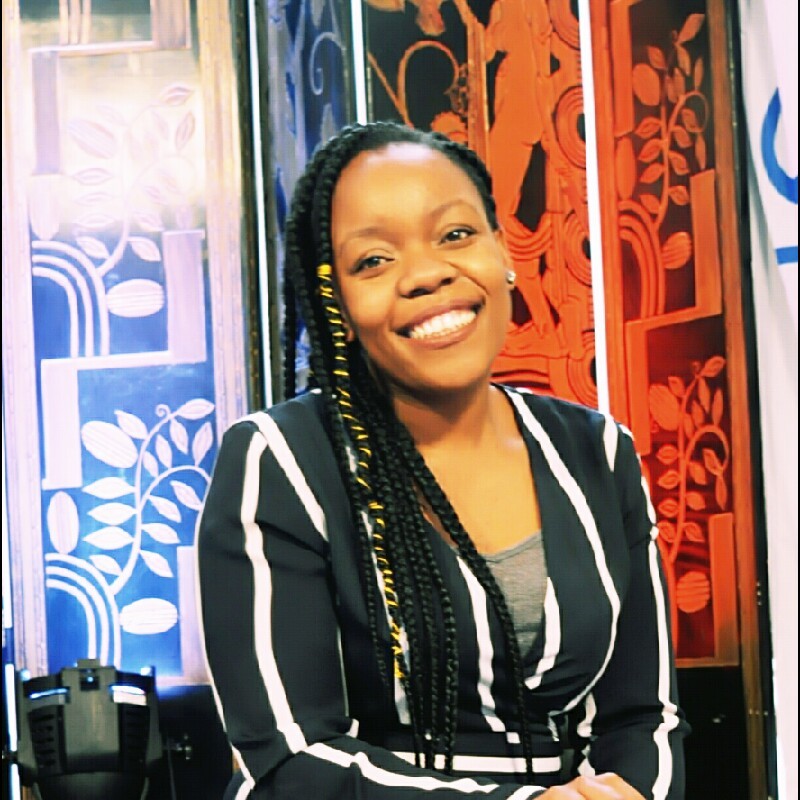
With that in mind, on day two, Nthakoana Maema, Founder of the impact venture studio Future Proof Collective, will open with a keynote on food systems and inclusive entrepreneurship. Architect and urban researcher Tiisetso Mofokeng will follow with a featured session on public space, third spaces and belonging.
On the same day, a dialogue on women-led enterprise pairs Onica Lekuntwane, a Botswana visual storyteller and social-impact designer, with Lucinda Evans, Founder of Philisa Abafazi Bethu in Steenberg, Cape Town, an organisation working to prevent gender-based violence and empower women, children and communities.
In a special case-study dialogue, the Book Dash team will explore creative collaboration and early book access, with Executive Director Thembalethu Shangase, Founder Arthur Attwell, writer Dr Diane Awerbuck, author-illustrator Subi Bosa and Wordworks Executive Director Mammuso Makhanya on the bill.
Day 3 – Friday, 23 October
The third and final day focuses on education as a full ecosystem, from early childhood play through to lifelong learning. Dr Rael Futerman, Co-founder of Cartedo and Senior Researcher at UCT’s d-school Afrika, will deliver the day’s opening keynote, exploring Creative Intelligence as a foundation for future-fit learning and human development.
Stassen will speak on STEAM education and MyMachine South Africa, and Johannesburg-based designer and educator Robin Turner will explore ethical fieldwork and the responsibilities students carry when learning with and from communities. Jess Berliner, Founder of Learn Biomimicry, will deliver the closing keynote, exploring what nature can teach us about designing a thriving world.
“Afrikans need more platforms to shape, share and showcase their own stories,” says Stassen. “Our continent holds immense Creative Intelligence, Indigenous wisdom, cultural knowledge and entrepreneurial spirit. It is time to recognise these as collective strengths, move beyond the deficit narratives that too often define Afrika, and nurture a society of future-builders capable of designing futures rooted in our own agency and capacity to thrive.”
Each day wraps up with an afternoon workshop, bookable on its own without a conference ticket. A networking event is scheduled for the evening of Friday 23 October, open to delegates and the wider public alike, and on Saturday, 24 October Uthando South Africa will host its Community & Cultural Impact Tour, focusing on the Waste to Wonder campaign, with 100% of the ticket fee going to the community projects visited.
The event is convened by the Pan Afrikan Design Institute (PADI), a continental design body whose members span more than 21 Afrikan countries, and coordinated locally by Open Design Afrika. Uthando South Africa, the event’s cultural and community partner, grounds the programme in Cape Town’s lived community realities.
Reserve your spot!
Tickets are available on Quicket. A three-day in-person pass costs R3,800, with a student rate of R1,800, while livestream access to all main conference sessions costs R950. Central to the event’s aim of expanding access across Afrika, the livestream will enable young people, educators, creative communities and others unable to travel to Cape Town to participate remotely, supported by PADI’s connections with 57 tertiary art and design schools across the continent.
Further programme details and contributors will be announced in the run-up to October. For further information, follow Pan Afrikan Design Institute on Facebook, Instagram and LinkedIn, or visit https://thepadi.org/adw2026sa/