

From Indigenous wisdom and creative collaboration to live performances and community encounters, Cape Town’s debut edition explores one compelling question: How do we design to thrive?
The countdown has begun. From 21 to 24 October 2026, Pan Afrikan Design Week (PADW) makes its Cape Town debut, bringing together people, perspectives and practical ideas for shaping thriving futures across Afrika.
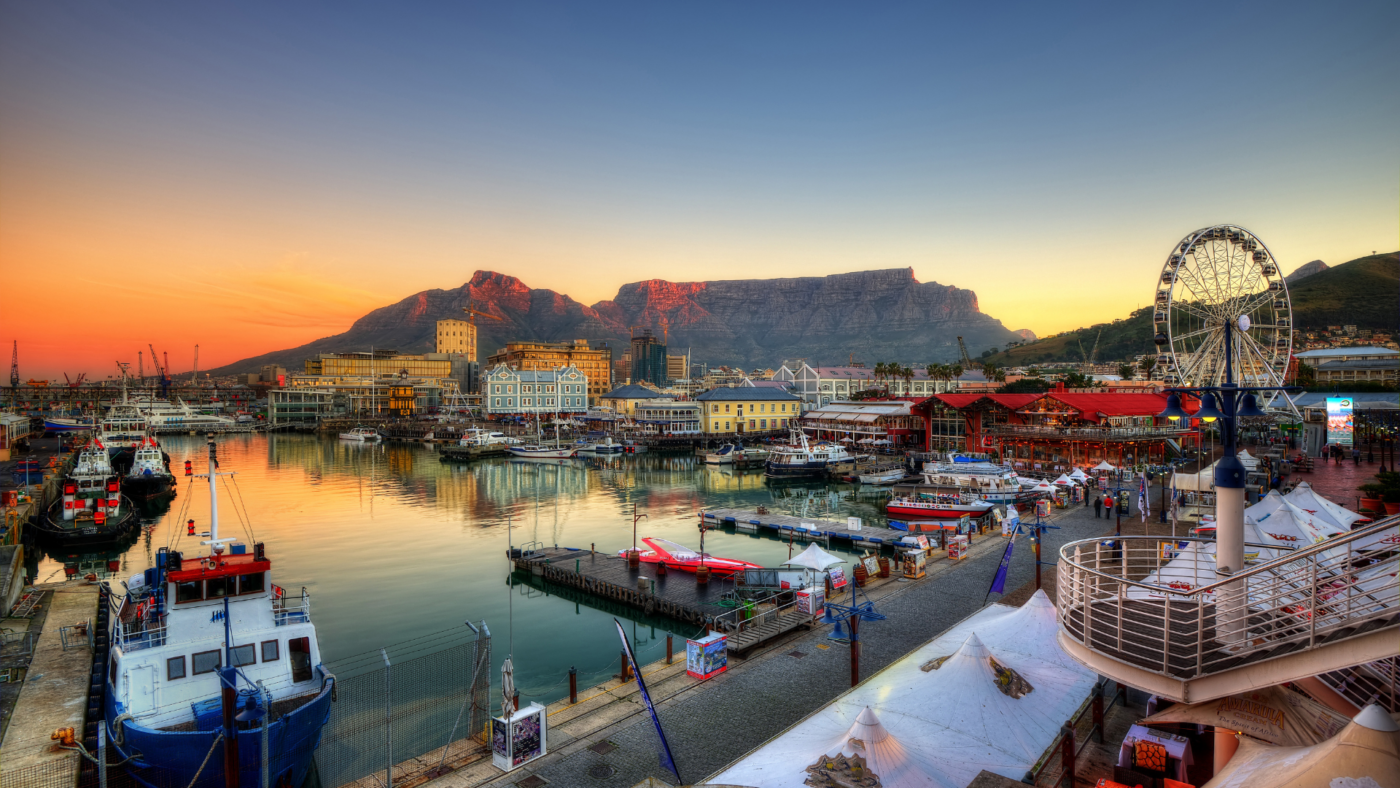
The main three-day conference runs from 21 to 23 October at Workshop17, Watershed, at the V&A Waterfront, followed by a networking evening on Friday and a community and cultural experience on Saturday. Keynotes, dialogues, performances and hands-on workshops connect around one central question: How do we design to thrive?
“We’ve built a programme packed with ideas, voices and lived experiences, with something to spark, challenge and inspire at every turn,” says Suné Stassen, CEO of Open Design Afrika and Programme Director. “From rethinking the role of design across systems, communities and cities to exploring future-fit education, creative collaboration and practical ways to turn ideas into action, while also enjoying the whole experience – we’ve created an event that will leave a lasting legacy.”
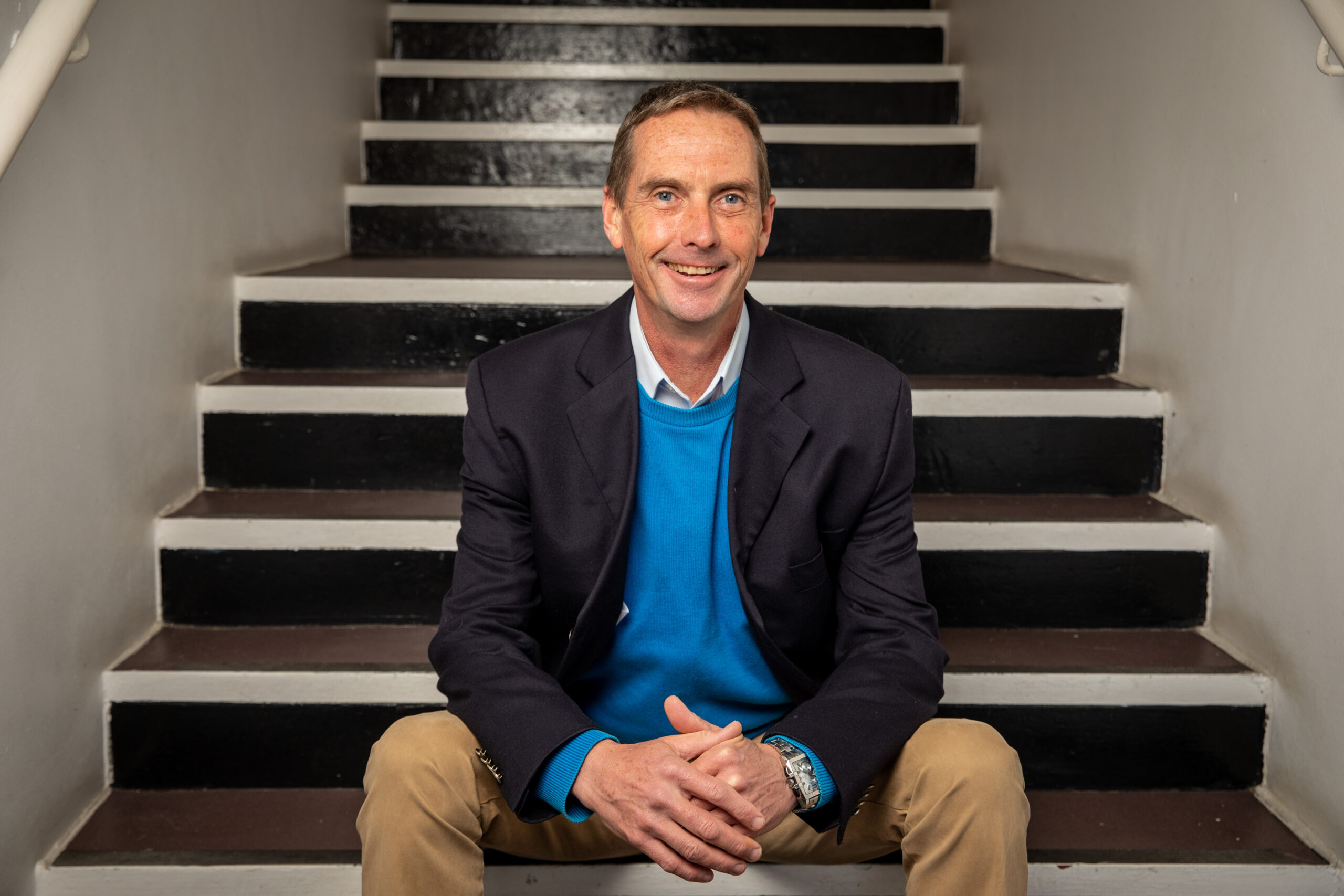
Helping connect those ideas across the three conference days is Mandisa Mbaligontsi, Founder of Lume Impact Labs, who will serve as MC and facilitator. Her role goes beyond introducing speakers: she will guide transitions, draw connections between contributions and help audiences relate each session to the wider question of designing to thrive.
She will also co-facilitate the three afternoon workshops alongside Stassen and Nthakoana Maema, taking the conversation from shared exploration into practical participation.
Here are six highlights we’re particularly looking forward to.
1. Conversations shaping what comes next—and the unexpected voices driving them
PADW’s 21-strong speaker line-up brings together voices whose work spans design, cultural memory, leadership, education, entrepreneurship and community development.
On Day 1, Saki Mafundikwa, the Zimbabwean design scholar, TED speaker and author of Afrikan Alphabets, joins Dr Russell Kennedy, co-author of the International Indigenous Design Charter, and Juliet Kavishe for a dialogue exploring Indigenous wisdom, cultural memory, dignity and design value.
The programme opens with a welcome address by Mrs Gugu Motlanthe, former First Lady of South Africa and Executive Trustee of the Kgalema Motlanthe Foundation, whose work champions empowerment, ethical leadership and inclusive innovation.
Afrikan futurist Dr Njeri Mwagiru then delivers the opening keynote, inviting audiences to imagine the many futures made possible by the choices we make each day. Dominic Wilhelm, Executive Director of The Global Trust Project, follows with an exploration of trust as an essential condition for thriving—whether for an idea, a person, a community or a city.
The conversations extend into other interconnected areas. Nthakoana Maema, Founder of impact venture studio Future Proof Collective, will explore food systems, aliveness and inclusive entrepreneurship. Jess Berliner, Founder of Learn Biomimicry, will deliver a closing keynote examining what nature can teach us about designing a thriving world.
These sessions offer just a glimpse of the wider agenda.
Not every speaker is a designer in the traditional sense, and that is intentional. Community leaders, publishers, thought leaders, policymakers, entrepreneurs, educators and cultural practitioners will bring their experiences into the conversation, alongside people from different sectors who are committed to thriving futures.
2. Four million free books—and the collaboration behind them
What becomes possible when writers, illustrators and designers come together around a shared purpose?
For Book Dash, the South African non-profit, the answer includes more than four million books distributed free of charge to children.
Its model brings volunteer creatives together to collaborate and co-create children’s books from scratch in a single day. The books are then printed and distributed free, turning collective creative effort into wider access to reading.
In a Day 2 case-study dialogue, Executive Director Thembalethu Shangase and Co-founder Arthur Attwell will be joined by three collaborators who help make the model a success.
Together, they will unpack how Book Dash is pursuing a dream once thought impossible, what radical creative collaboration can achieve, and what other teams and organisations can learn from its approach.
3. Three practical workshops that turn conversation into action
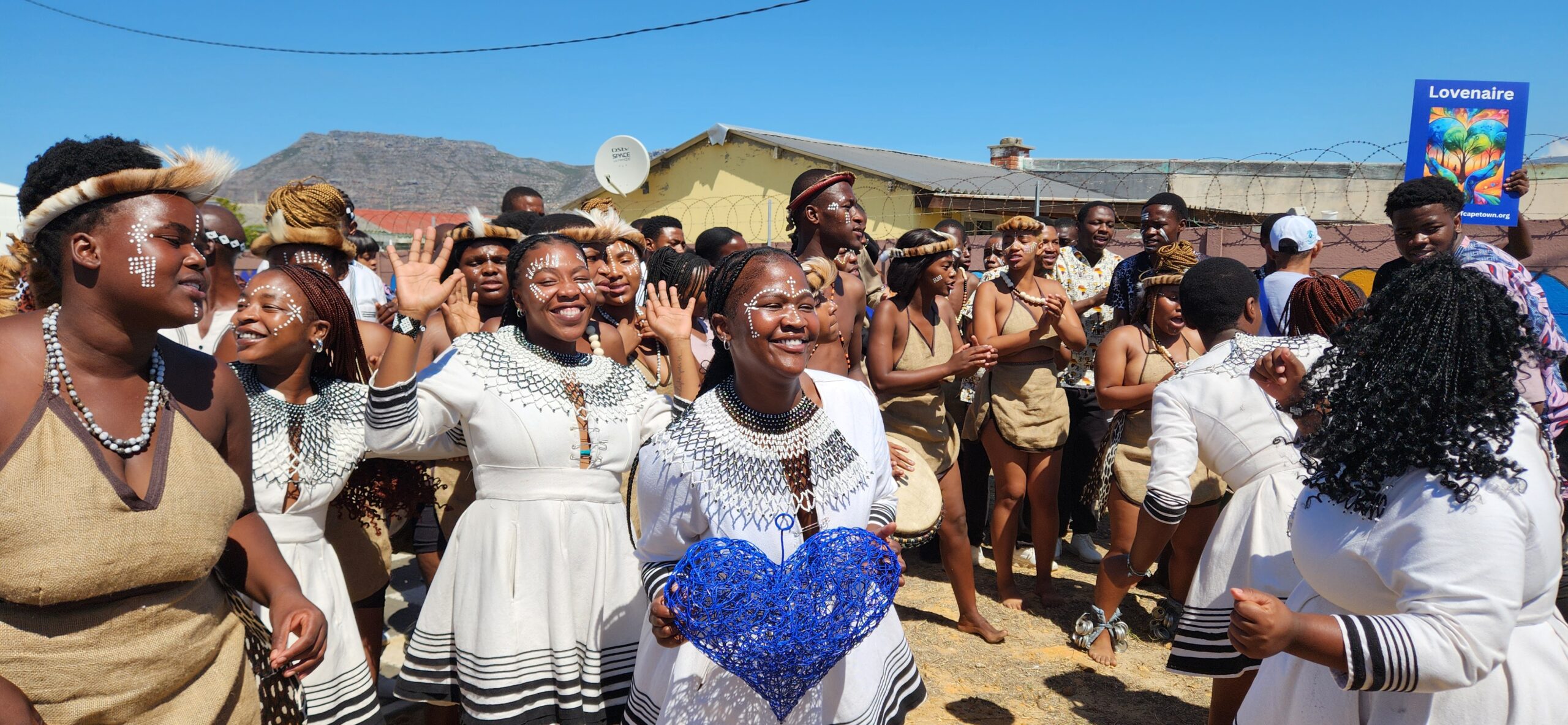
Each conference day closes with a practical workshop connected to that day’s discussions. Together, the three sessions form an unfolding journey—from imagining a shared future to understanding the consequences of our decisions and developing the capabilities to move forward.
Crucially, the workshops are open to the public, and no conference pass is required.
The Future Design Brief Lab on Day 1 invites participants to explore what a thriving Afrika should look and feel like, and what helps or hinders that reality.
On Day 2, The Ripple Effects Lab examines how decisions about products, services, places, policies and systems reach far beyond the immediate user.
The journey concludes on Day 3 with the Future-Builders Lab, which asks what human abilities and mindsets will be needed to thrive in an unpredictable future—and how learning must change to develop those capabilities throughout life.
Developed and co-facilitated by Mandisa Mbaligontsi, Suné Stassen and Nthakoana Maema, each workshop can be attended independently. Those joining all three will experience the full progression from shared intent to responsible application, followed by future-fit learning and human development.
Workshop tickets must be booked separately in advance. Places are limited.
4. An experience with its own soundtrack
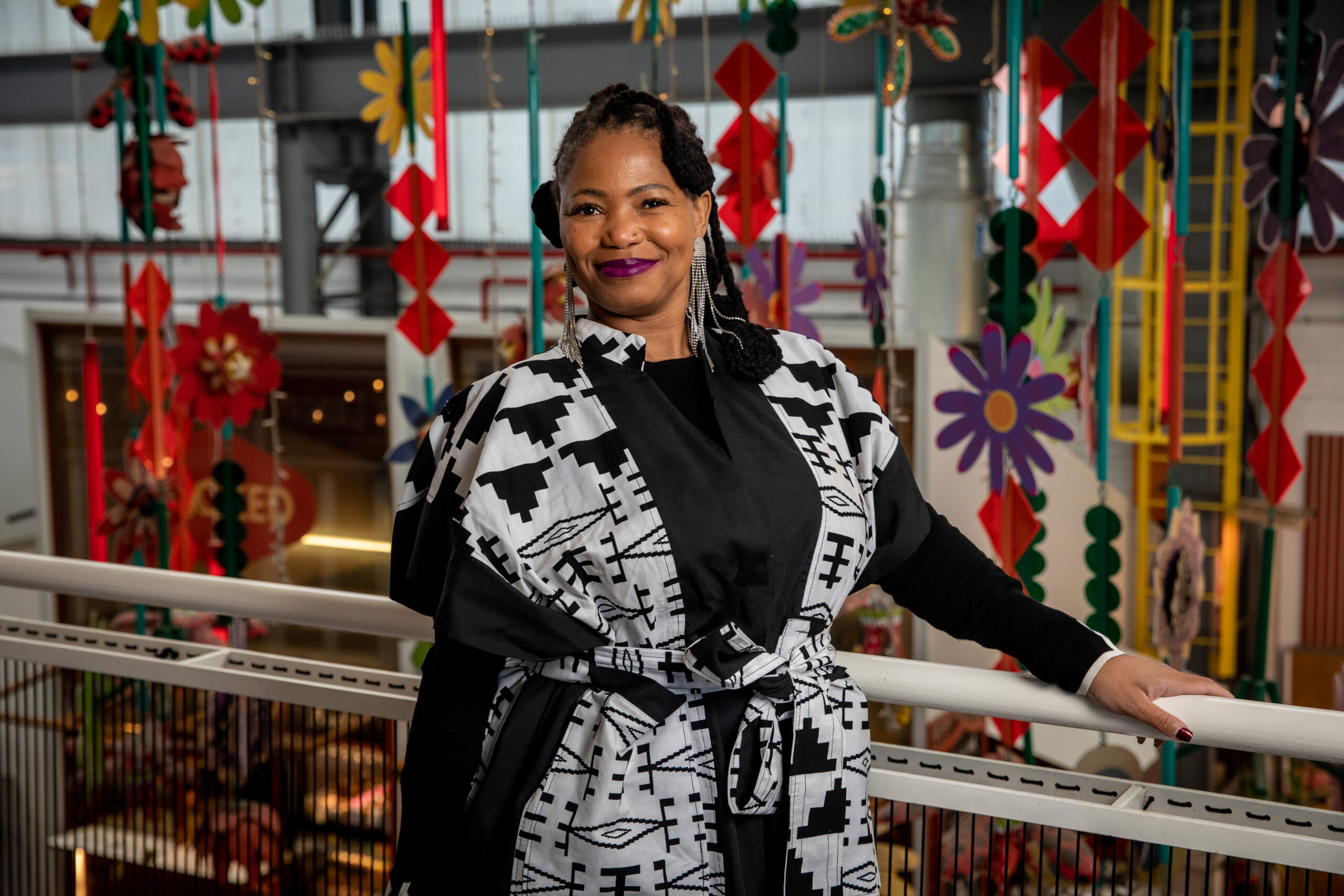
Music and performance will bring another dimension to the programme, creating moments to feel, connect and celebrate alongside the discussions.
Celebrated South African singer Vicky Sampson will take to the stage with Khayelitsha’s Isibane se Afrika choir, setting the three-day conference in motion on a powerful high note.
At Friday evening’s Networking Event, the rhythm continues with performances by the young musicians of Hout Bay’s KMA Marimba group and dance group His Purpose.
Together, these performances place cultural expression at the heart of the experience.
5. A weekend that connects the conference with the city
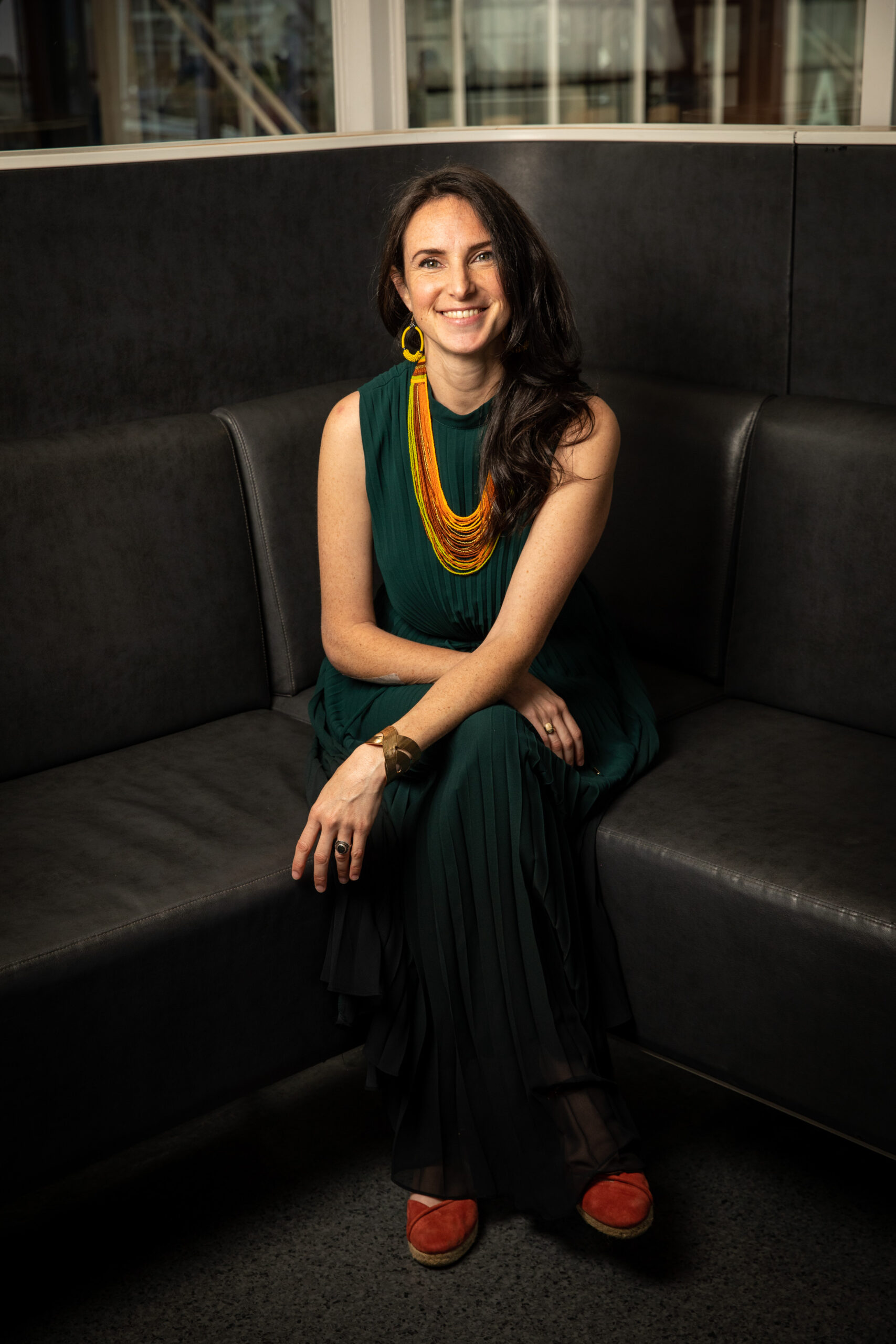
On Friday 23 October, delegates, speakers, partners, students and members of the public will gather for an evening of connection and celebration, with welcome drinks, canapés and live entertainment.
After three days of ideas, inspiration and important questions, the evening offers an opportunity to continue the conversations, build relationships and share perspectives beyond the conference sessions.
On Saturday 24 October, cultural and community partner Uthando South Africa will host its Community & Cultural Impact Tour.
The curated experience introduces participants to Cape Town community projects, with a particular focus on Uthando’s Waste to Wonder campaign, which has been nominated for The Earthshot Prize in the Build a Waste-Free World category.
The tour offers an opportunity to see how local entrepreneurs and community leaders use creativity, resourcefulness and collaboration to create the conditions for their communities to thrive.
One hundred percent of the ticket fee goes directly to the projects visited. Spaces are limited, and early booking is advised.
6. More design to discover beyond the programme
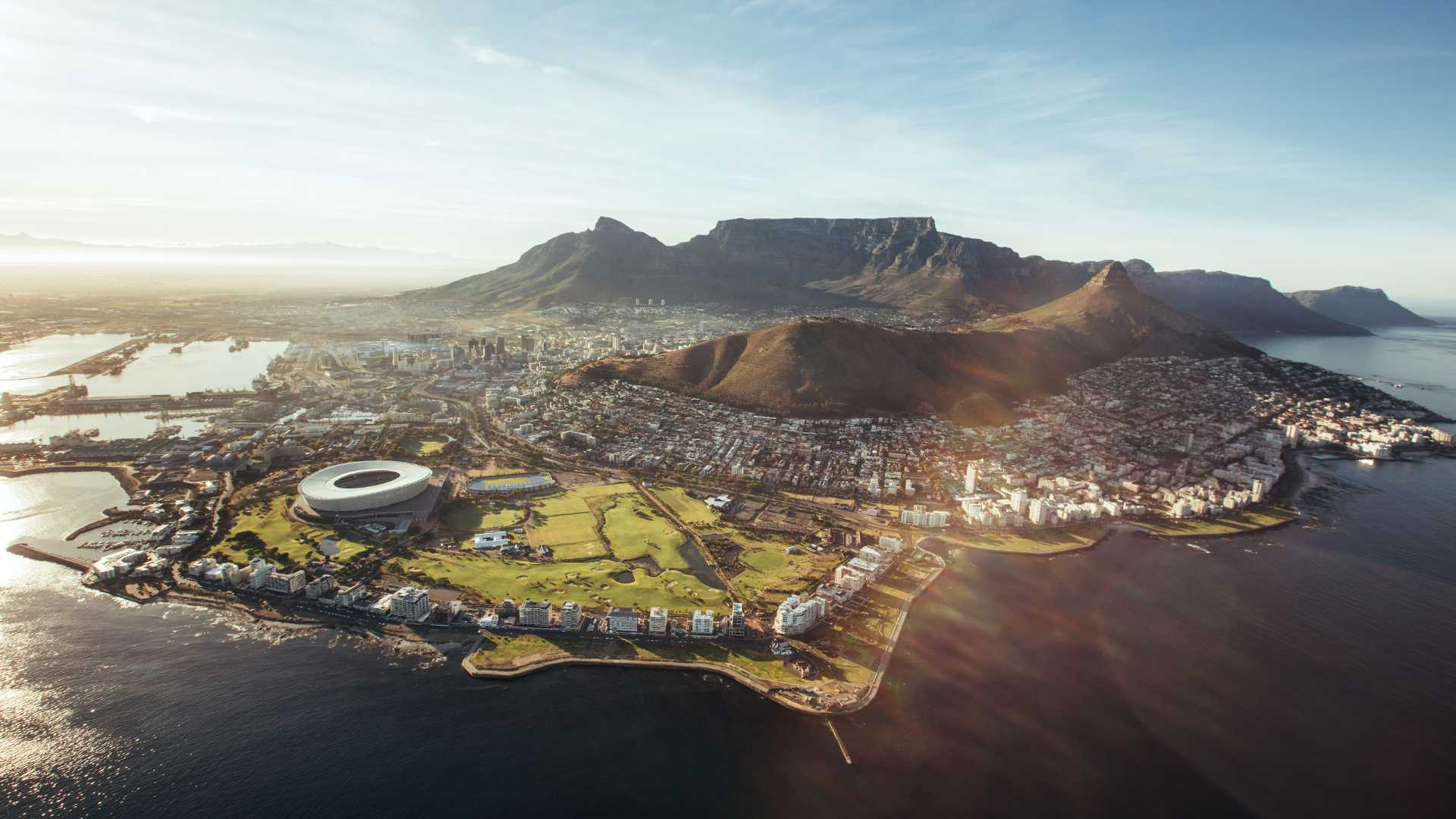
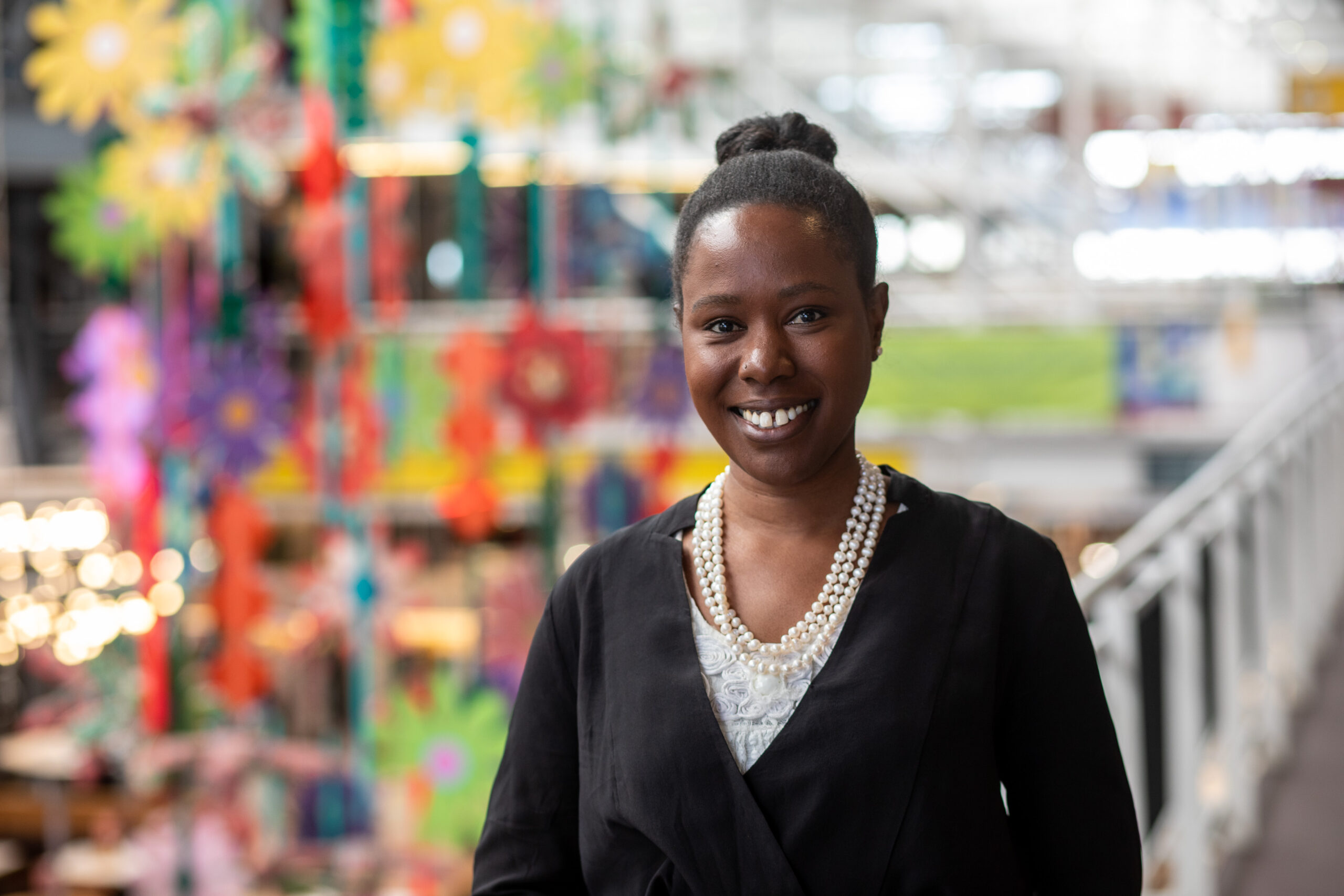
PADW arrives during a particularly vibrant design season in Cape Town, giving visitors further opportunities to explore the city’s creative landscape.
Design Week South Africa’s Cape Town programme runs from 22 to 25 October, with exhibitions, studio tours, installations and product launches across the city.
Visitors arriving earlier can also experience Open Studios Cape Town on the evenings of 14 and 15 October, when the city’s architecture and design studios open their doors to the public.
Together, these events offer a wider view of the people, practices and ideas shaping design in Cape Town.
Join the conversation—in Cape Town or online
Pan Afrikan Design Week 2026 is convened by the Pan Afrikan Design Institute (PADI), with Open Design Afrika serving as the Local Host and Coordinating Partner.
For those unable to attend in person, livestream access brings the main conference sessions to audiences across all three days.
Explore the full programme and book tickets, including livestream access, through Quicket.
Whether through cultural memory, creative collaboration, learning or community action, this year’s programme invites participants to consider how the choices we make today can help shape a thriving tomorrow.