


After a harsh start to winter marked by heavy rain, colder days, and more time indoors, many South Africans are rethinking how to make winter easier at home and make their homes work through the season. Darker days, rising electricity and gas costs, damp laundry, stale air, and less ventilation are all putting pressure on everyday comfort.
Bianca Leonard, Marketing Manager at lifestyle technology specialist Solenco, says the answer is not only about adding more heat.
“People often think of winter in terms of temperature, but the homes that feel best in winter usually manage light, air, moisture, and heat together,” says Leonard. “A room can be warm and still feel stale, damp, dark, or uncomfortable. Small changes in how you manage the space can make a noticeable difference.”
One of the easiest places to start is lighting. Instead of relying on a single harsh overhead light, layered lighting combines a main source with task and accent lighting. Lamps, reading lights, under-cabinet lighting, and warmer decorative lighting help create depth and softness during darker afternoons and grey winter weather.
Air quality is another winter issue that is often overlooked. When doors and windows stay closed, dust, trapped odours, and stale air can build up quickly. Leonard says households should keep air moving safely and, where needed, consider air purification to help capture airborne particles.

Moisture is often the hidden discomfort in winter. Wet weather, indoor laundry, closed windows, and poor airflow can make rooms feel colder, while contributing to condensation, musty smells, mould, and damp cupboards.
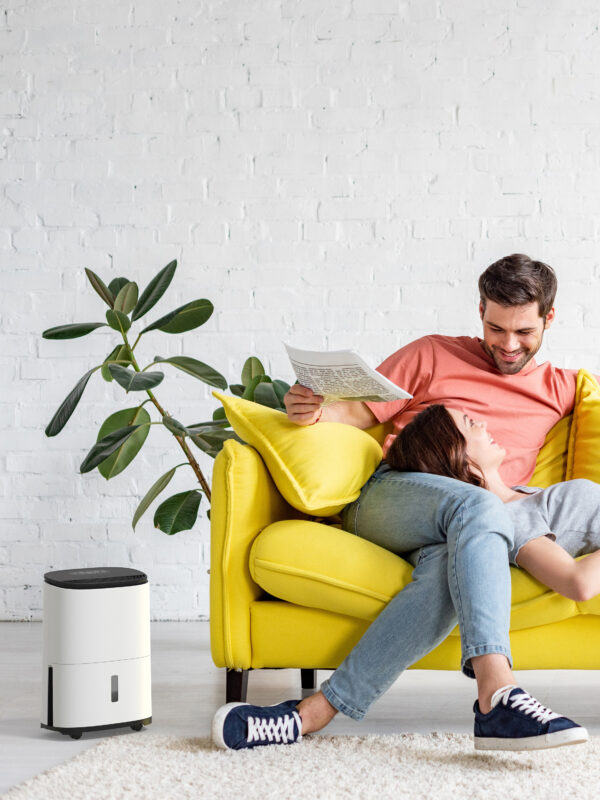
“Heating a room does not necessarily remove moisture from the home. In wet winter conditions, the aim should be to remove excess moisture rather than simply make damp air warmer. A dehumidifier can help manage indoor humidity, dry laundry more efficiently, and improve how a room feels.”
Indoor laundry is another daily frustration in wet winter conditions. Features such as dedicated laundry modes, low-energy moisture extraction, and dual dehumidification and air purification can help dry clothes, reduce dampness, improve indoor air quality, and make closed-up winter spaces feel more comfortable. A dehumidifier can also draw significantly less energy than a standard tumble dryer.
For heating, consumers are looking for warmth that can be controlled more precisely, rather than appliances that simply run until switched off. Features such as predictive heating, target temperature control, app-based scheduling, and wattage management help keep rooms comfortable while reducing unnecessary energy use.
“For many homes, winter comfort comes down to making the space work harder without wasting energy. That may mean using softer lighting in the evening, improving airflow, managing moisture, or choosing heating that responds to the room rather than running at full output all the time.”
“Winter does not have to mean living in dark, damp, closed-up spaces,” says Leonard. “With a few smart upgrades, homes can feel warmer, fresher, drier, and more comfortable through the coldest months.”
Learn more: www.solenco.co.za | Hwange Initiative