


South African homeowners continue to invest in their existing homes, with premium renovations increasingly used to enhance lifestyle, future-proof properties, and protect long-term value while protecting the true value of home renovations
According to Absa’s latest Homeowner Sentiment Index, 82% of South African homeowners believe it is a good time to renovate their property. The research also shows that homeowners do not see renovations as cosmetic. Among respondents, 63% believe renovations increase property value, 60% believe it is good to update their property, and 59% believe renovations will generate better returns when they eventually sell.
For architects and interior designers working in the high-end residential market, that creates an important design consideration. Premium renovations often involve enclosing patios, converting garages, adding wine cellars, creating home gyms and wellness spaces, installing imported timber flooring, or commissioning bespoke joinery. Each of these upgrades can change how air moves through a home.
Wynand Deyzel, Commercial Sales Manager at air treatment specialist Solenco, says indoor environmental control is still too often considered after the design and specification process, even though it can directly affect the materials and finishes homeowners are investing in.
“Homeowners may spend hundreds of thousands of rands on a renovation, but the indoor environment is not always planned with the same care as the finishes,” says Deyzel. “When you enclose a patio, convert a garage, or create a wine cellar or gym, you are changing ventilation, airflow, and moisture behaviour. If that is not managed, humidity can quietly start working against the investment.”
Deyzel says the risk is heightened in older Cape Town homes built with solid masonry rather than modern cavity walls. “In suburbs such as Rondebosch, Bishopscourt, Claremont, and Wynberg, winter rain, high humidity, and reduced sunlight can leave walls and roofs damp for longer, contributing to condensation, mould, peeling paint, musty odours, and deterioration of timber flooring, joinery, and other high-value finishes,” he says.
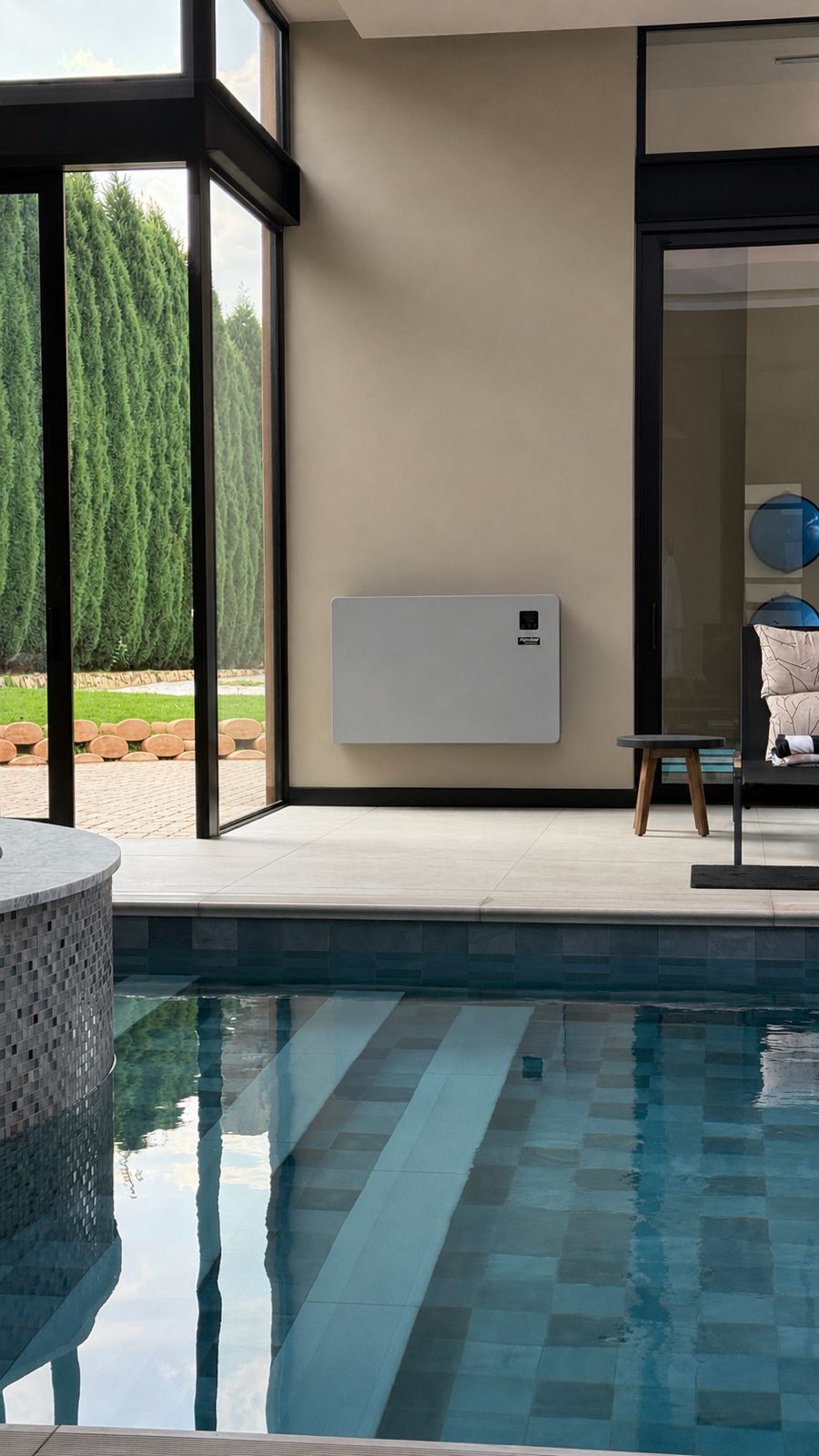
Specialist spaces may also need a dedicated moisture control layer alongside HVAC.
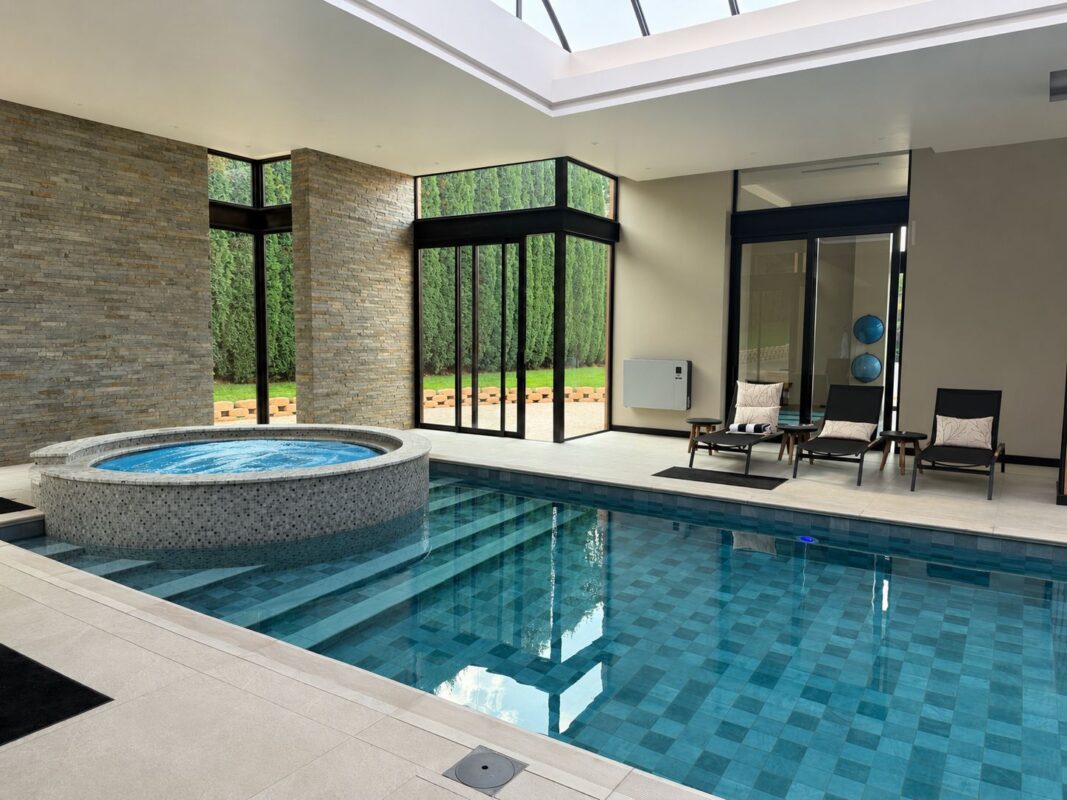
“Air conditioning can make a space feel cooler, but it does not mean humidity has been properly managed. In wine cellars, indoor pool areas, gyms, wellness spaces, and altered rooms within older homes, dehumidification should be considered alongside HVAC design so the space performs as intended.”
For architects and interior designers, this need not compromise the finished look. Modern commercial-grade dehumidification is available in wall-mounted, mobile, and ceiling-mounted formats, allowing environmental control to be integrated into sleek, high-end interiors.
“On a recent addition to an older Cape Town home, the architect specified a dehumidifier for the new laundry extension because the altered space was retaining moisture,” says Deyzel. “Cleaning visible mould and painting over the affected area may improve its appearance, but the problem can return if moisture remains in porous materials or concealed areas. Renovation teams need to address any leaks or water ingress and control indoor humidity, with dehumidification providing an ongoing layer where excess moisture persists.”
This also has a sustainability dimension. Preventing avoidable moisture damage reduces the need to replace timber, cabinetry, furniture, flooring, and other high-value materials before the end of their intended lifespan.
For premium renovations and retrofits, commercial-grade dehumidification can help maintain more stable indoor conditions during and after the project, particularly in spaces where moisture-sensitive materials or specialised room uses are part of the design.
“Beautiful design needs the right conditions behind it. For homeowners, architects, interior designers, and contractors, environmental control should be part of protecting the true value of a renovation,” says Deyzel.
Through its partnership with Eden Projects and the Community Rhino Conservation Initiative (CRCI), every Solenco website order plants three trees, while Kusasa and Thuza air purifier sales support conservation and community development in Hwange National Park, Zimbabwe.
Learn more: www.solenco.co.za | Hwange Initiative