








“Products are made in factories, but brands are created in minds.” Leo Burnett’s legendary words rang true in late May as Vinimark, South Africa’s leading independent wine distributor, hosted a Packaging and Innovation Masterclass at its Klapmuts facility outside Cape Town.
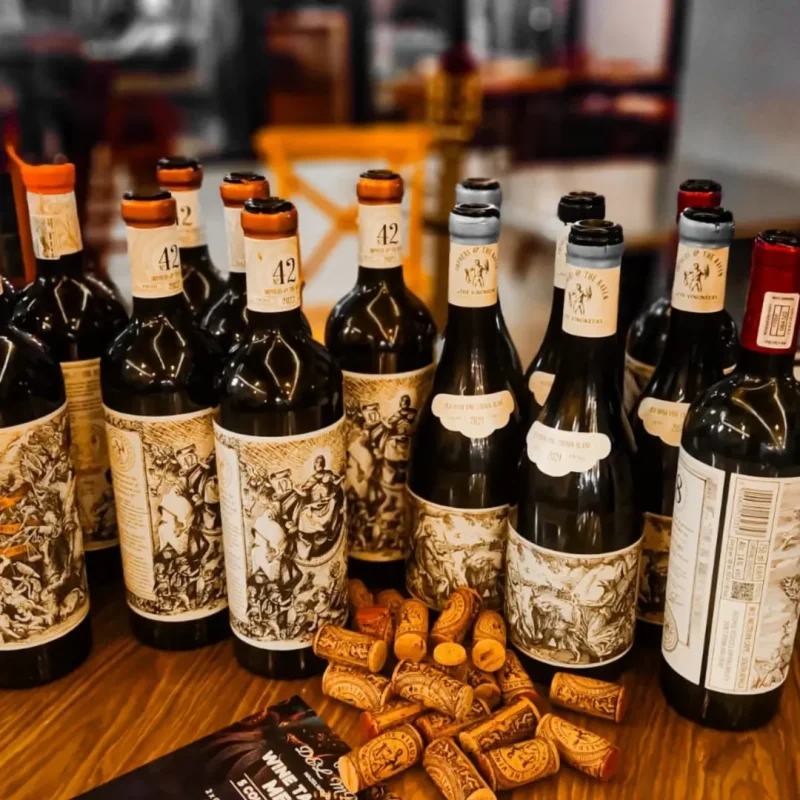
The exclusive session brought together some of the wine industry’s most forward-thinking creatives, strategists, and storytellers. Led by Ginette de Fleuriot, Vinimark’s Wine Training & Education Manager, the masterclass featured provocative insights from François Rey, founder of Monday Design, and Brenden Schwartz, co-founder of the trailblazing wine brand Orpheus & The Raven.
Their message to attendees was bold and unmistakable: In today’s crowded, fast-moving, visually driven market, a wine’s success depends not just on taste—but on the strength of the brand memory it creates.
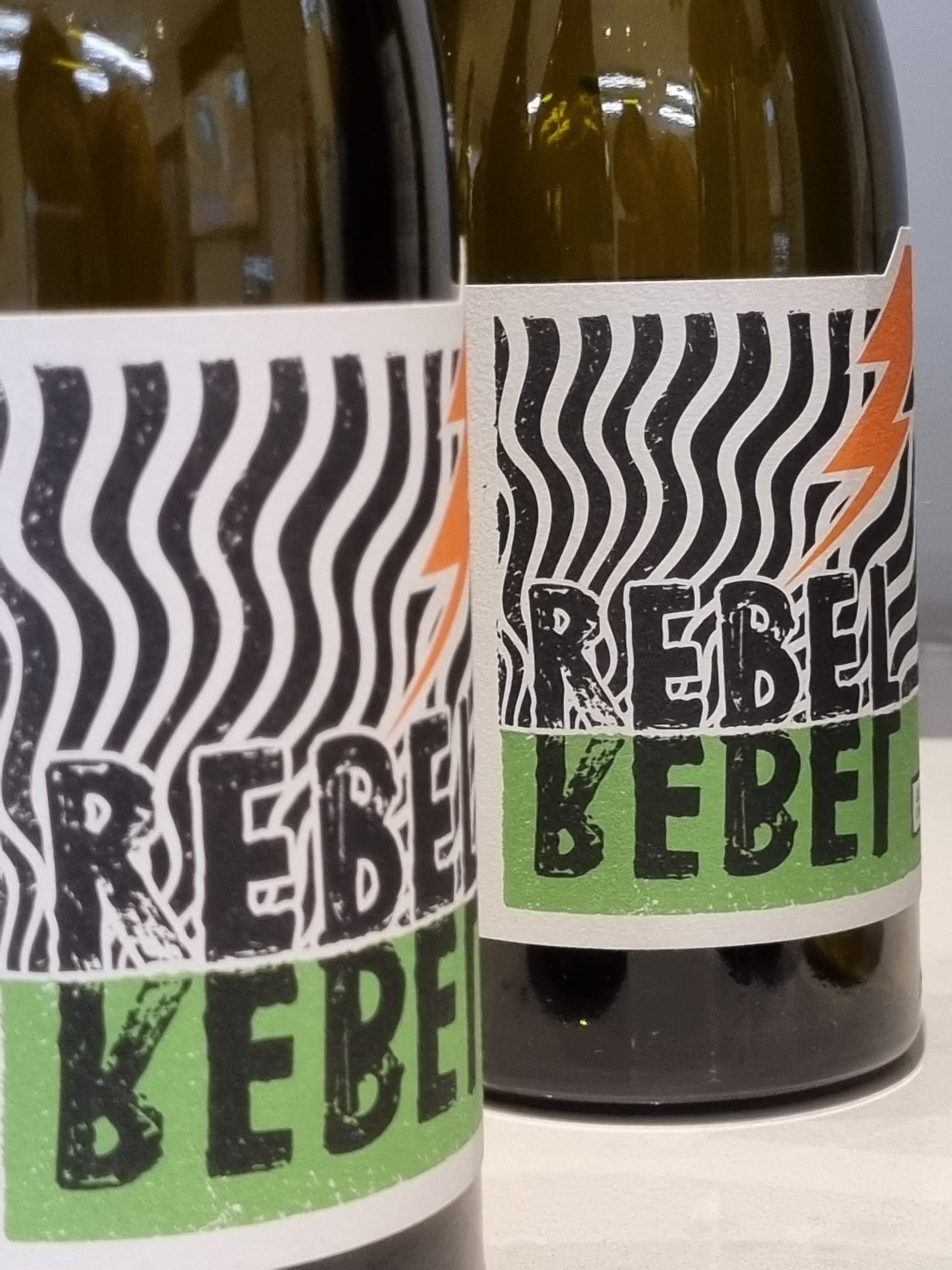
What Sets a Wine Brand Apart?
Schwartz and Rey challenged the audience to think beyond awards, varietals, and terroir. The future of wine branding lies in distinctive assets—those instantly recognizable visual cues that stir emotion, tell a story, and cut through noise.
“You don’t just build a brand. You build memory,” said Brenden Schwartz. “The best packaging doesn’t speak; it whispers meaning into your mind. That’s what gets remembered on the shelf.”
From Coca-Cola’s iconic red wave to Nike’s swoosh and Johnnie Walker’s unmistakable stride, the presenters demonstrated how emotional shorthand—not just information—drives brand loyalty.
Designing with Purpose and Emotion
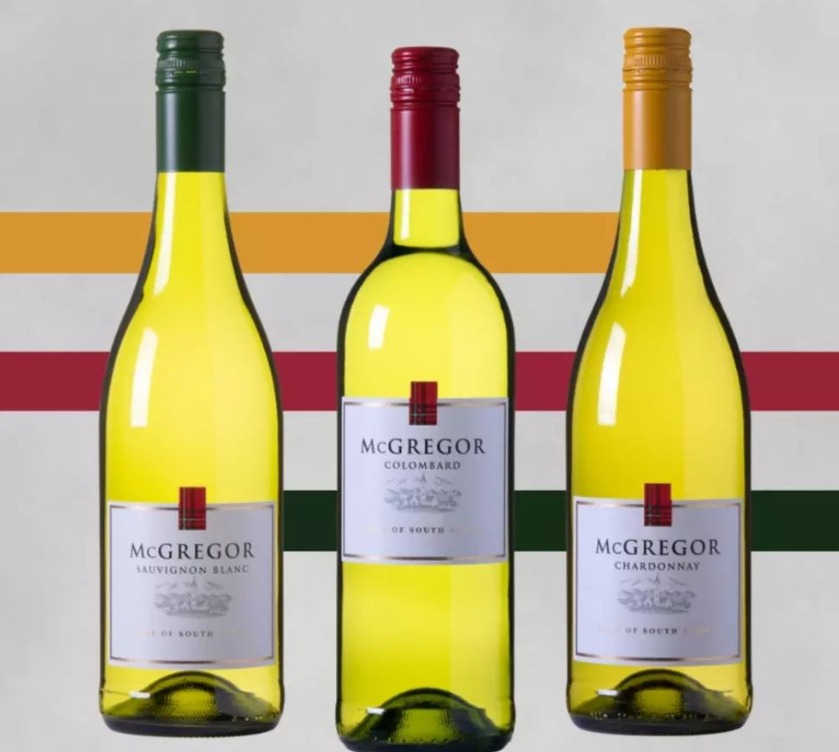
Rey highlighted his rebranding of McGregor Winery, where storytelling—not just design—turned the tide. Instead of traditional labels and tartans, Rey crafted a new narrative: “Where the road ends, our story begins.” The result? A fresh visual identity anchored in geography, symbolism, and emotion.
“Design is about soul, not surface,” added François Rey. “Modern wine drinkers want authenticity, not aesthetics alone.”
The session explored how generational preferences influence branding:
- Gen X gravitates toward trust and tradition.
- Millennials seek meaning over status and are driven by shareable design.
- Gen Z demands authenticity, eco-consciousness, and creativity—often discovering brands via TikTok and Instagram, not tastings.
Lessons from Global Icons
From Orpheus & The Raven’s hand-drawn storytelling to Johnnie Walker’s century-long evolution, the speakers reinforced a central theme: lasting brand power isn’t a lucky break—it’s a discipline.
“Brands like Coca-Cola and Nike didn’t happen by chance,” said Ginette de Fleuriot. “They happened through patient, intentional storytelling and relentless visual refinement.”
Five Truths for Building Wine Brands That Stick
1. Lead with story, not grape.
Your narrative is your advantage.
2. Build what no one else can copy.
Unique illustrations, colors, or a voice that’s unmistakably yours.
3. Think in decades, not campaigns.
Consistency trumps trend-chasing.
4. Design for the digital shelf.
Your label’s first encounter is likely online. Make it scroll-stopping.
5. Blend the familiar with the unexpected.
Surprise, but keep your roots visible.
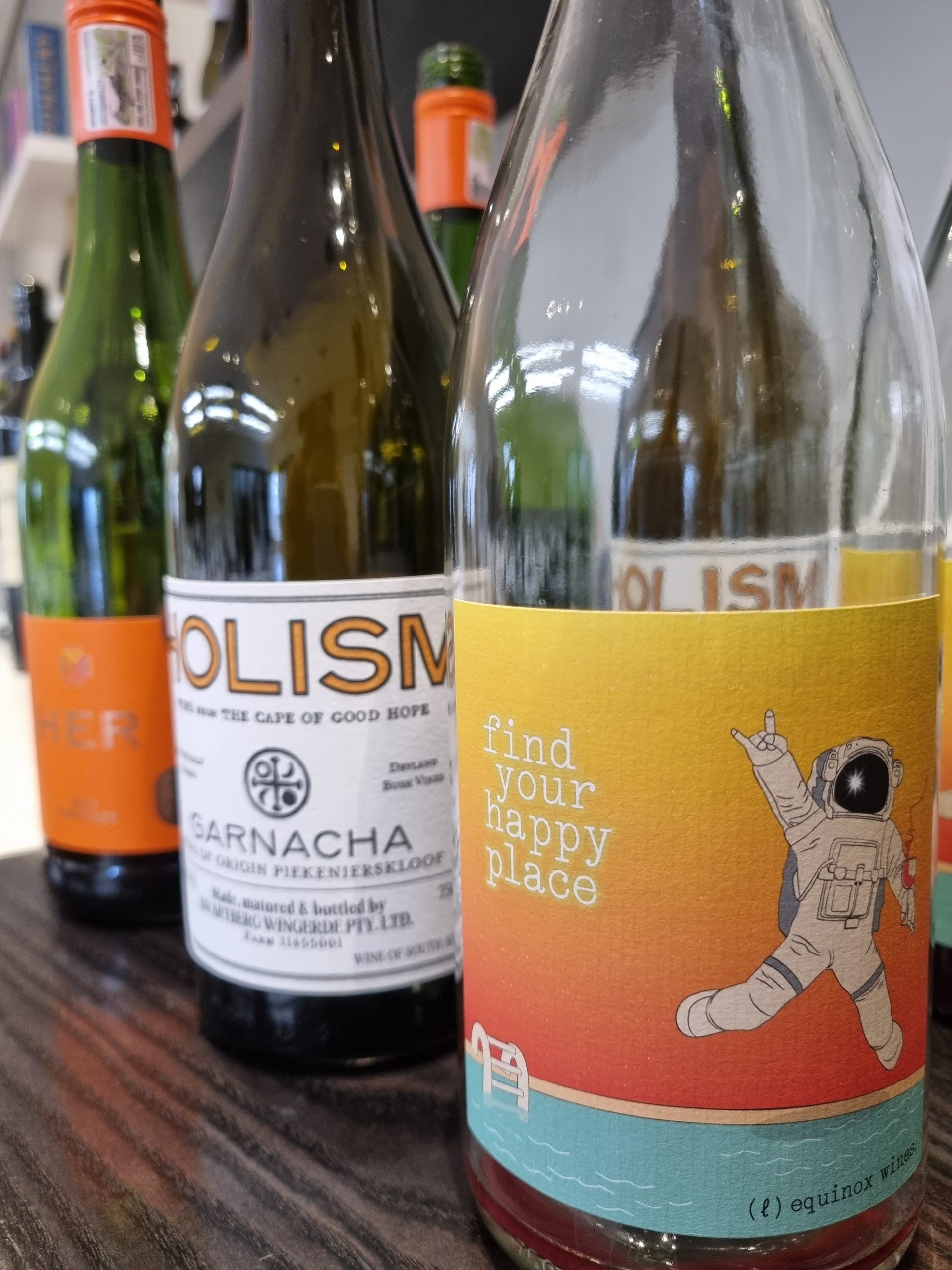
Redefining Heritage in the Wine World
The Masterclass concluded with a powerful reminder: wine branding is not just about packaging but about creating emotional resonance. The brands that will lead tomorrow are those that honour heritage while innovating with authenticity, transforming provenance into personality.
In a world of infinite choice, the most daring move for a wine brand is not just to be good—but to be unforgettable.