

Strategic genetic exchange and bold management practices strengthen survival hopes for vulnerable species
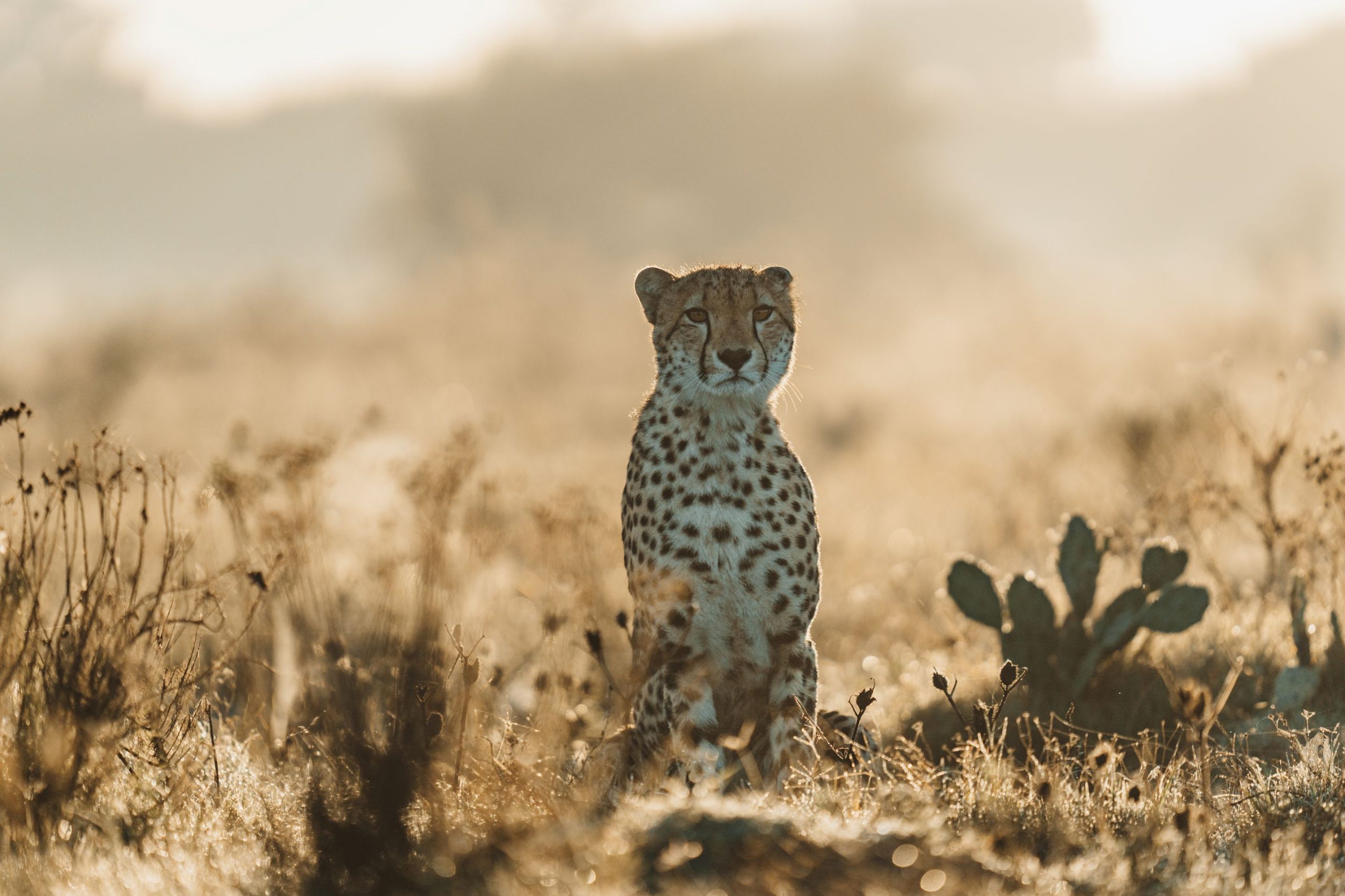
With fewer than 7,000 cheetahs remaining in the wild, according to the IUCN Red List of Threatened Species™, cheetahs face mounting challenges—from natural predators to diminishing habitats. Yet one of the most serious threats to their survival is invisible: their own genes.
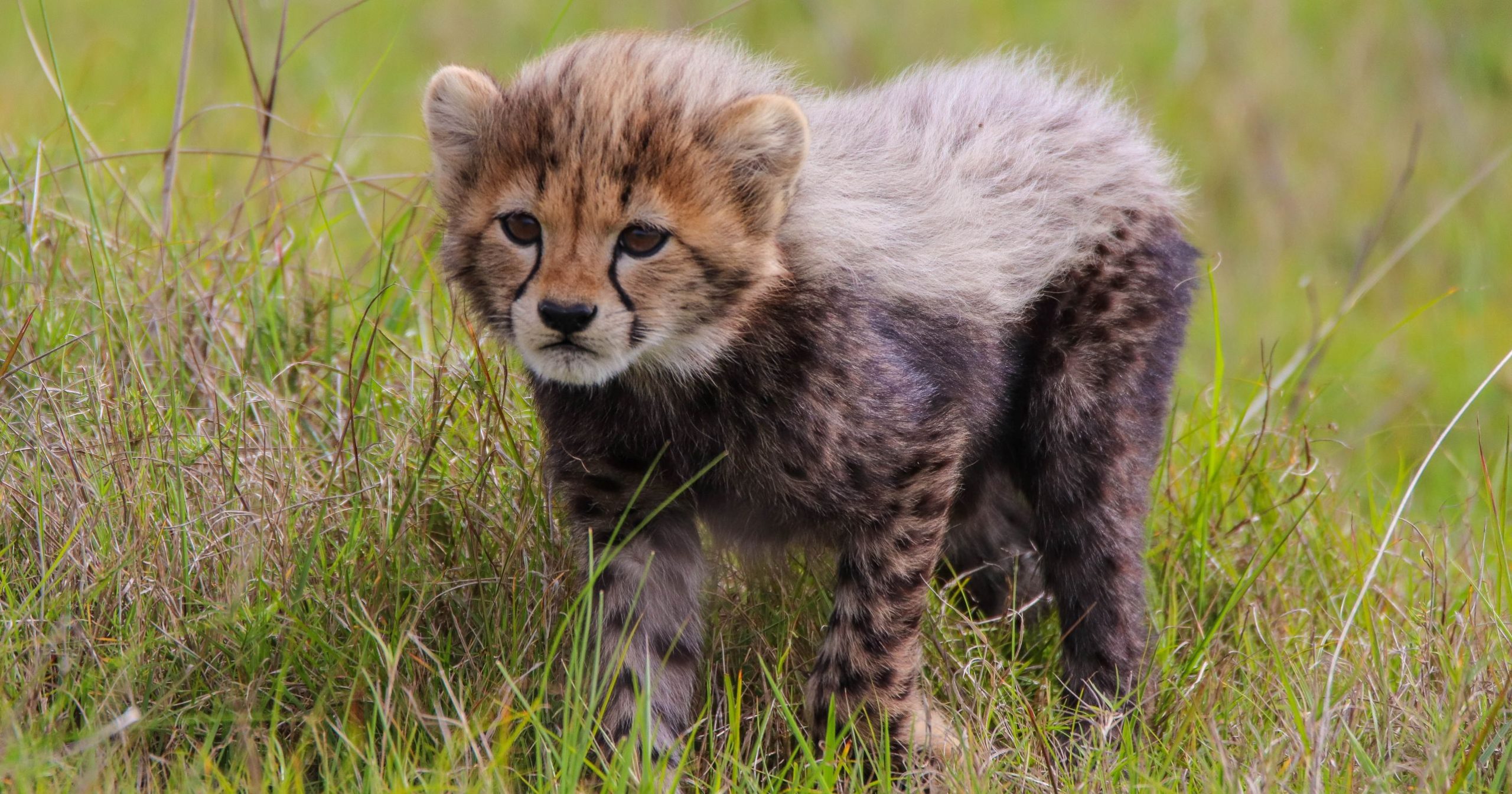
“The global cheetah population stems from about 10 breeding pairs that survived a bottleneck effect around 12,000 years ago, near the end of the last Ice Age,” explains Johann Lombard, CEO of Lalibela Wildlife Reserve. Currently, the reserve’s cheetah population includes a dominant male and a breeding female, with a new litter of six cubs born in early 2025.
This evolutionary bottleneck has left cheetahs with staggeringly low genetic diversity. “The species’ genetic makeup is now so uniform that you could take a skin graft from a cheetah in South Africa and apply it to an Asiatic cheetah and successfully complete the graft,” Lombard points out.
Research confirms that cheetahs possess only 0.1–4% of the genetic variation seen in average species. “This extreme genetic uniformity is like having an entire species with the same immune system vulnerabilities,” says Lombard. “A single pathogen could potentially devastate the entire species.”
The consequences are far-reaching: poor sperm quality, smaller litter sizes, higher cub mortality, and a weakened ability to adapt to climate change or disease.
To combat this, Lalibela has initiated a genetic exchange programme in collaboration with other reserves across South Africa. While overall genetic variation is low, subtle differences between regional populations still exist and are vital.
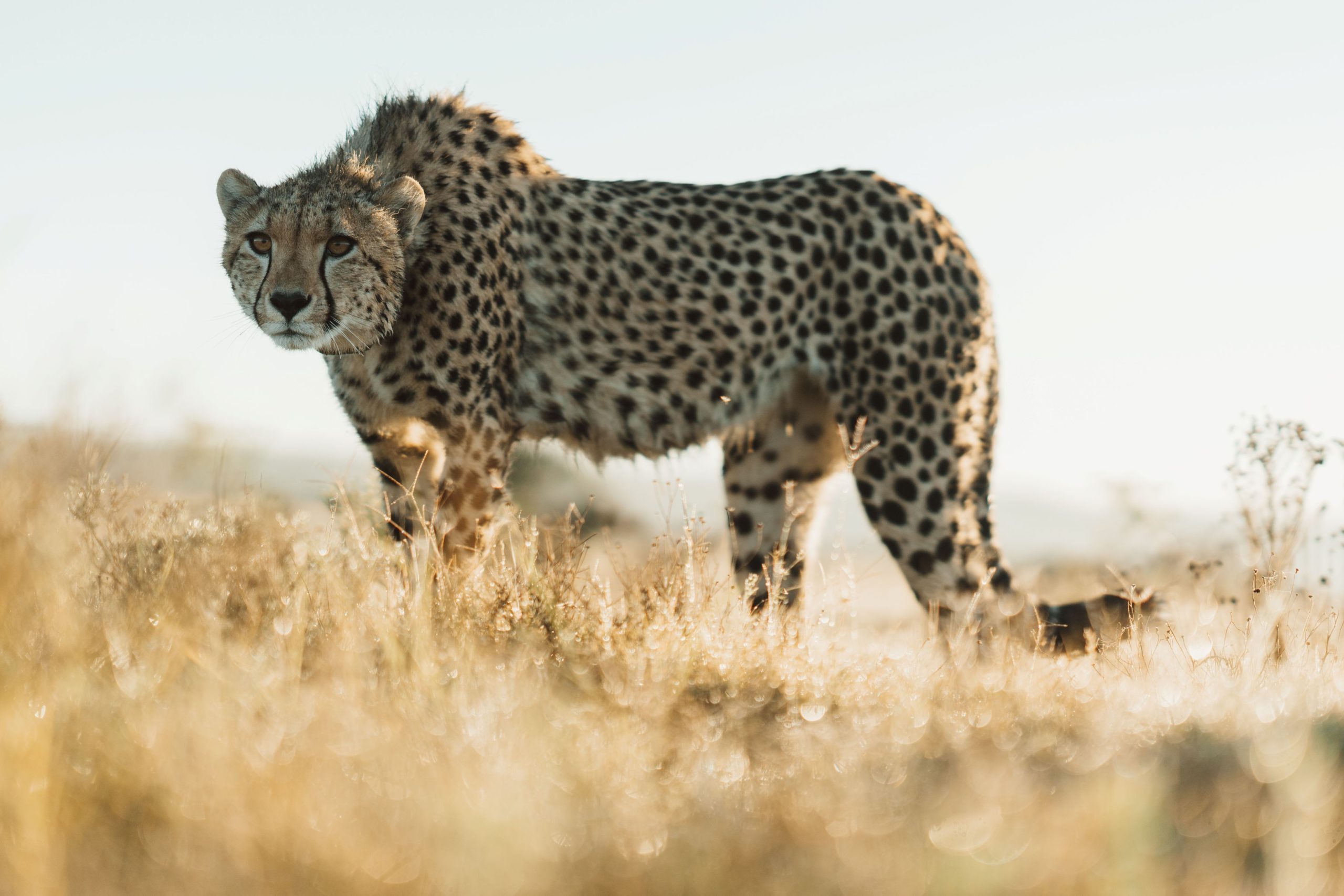
“Even minimal genetic variation can be critical,” says Lombard. “By strategically moving cheetahs between reserves and preventing closely related individuals from breeding, we can preserve what little diversity remains and allow new beneficial mutations to spread.”
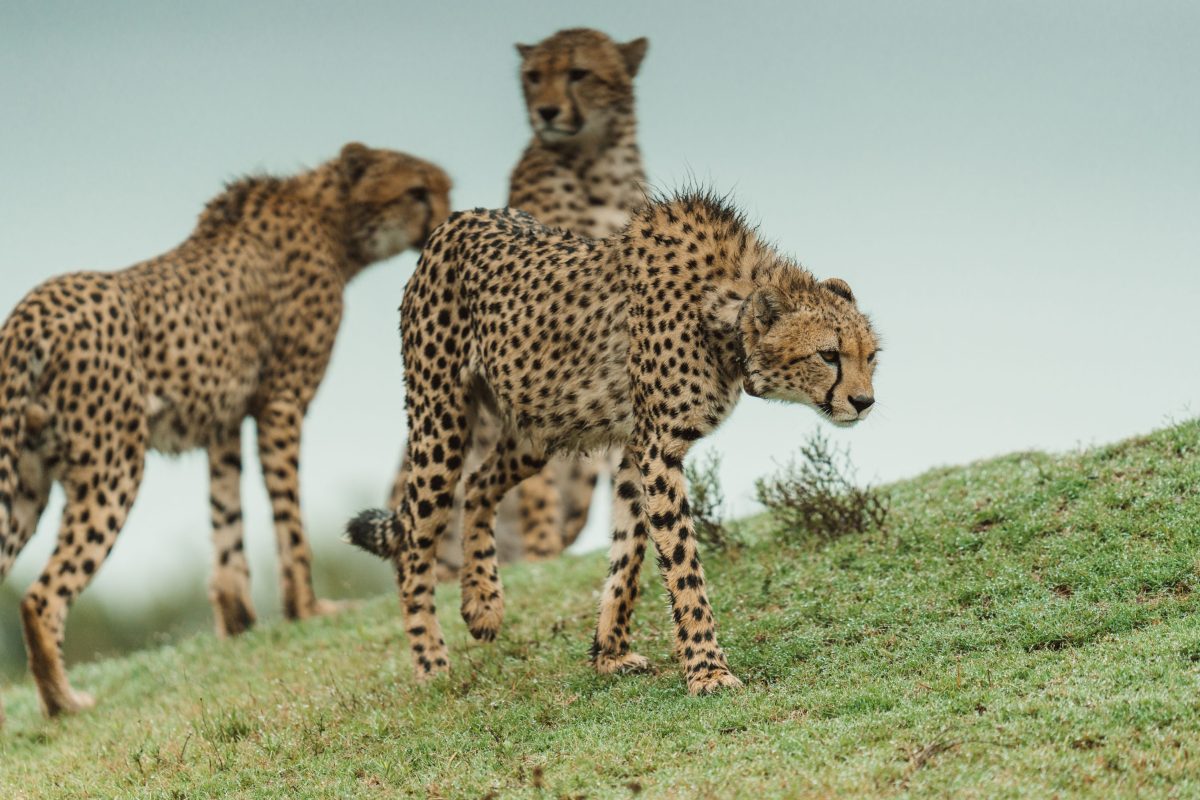
In October 2023, three cubs born at Lalibela were relocated to other reserves in KwaZulu-Natal: a female to Thanda Game Reserve, and two males to Wagendrift Game Reserve, thereby forming critical genetic corridors between otherwise isolated populations.
“The consequences of inbreeding might not be visible immediately,” Lombard explains, “but they often show up by the fifth or sixth litter—reduced fertility, immune issues, skeletal deformities, or neurological conditions. These issues arise because there’s not enough genetic variation to buffer harmful recessive genes.”
Two male cheetahs from Limpopo are expected to arrive soon at Lalibela and will undergo a ‘soft release’ acclimatisation process within a boma before full integration into the reserve.
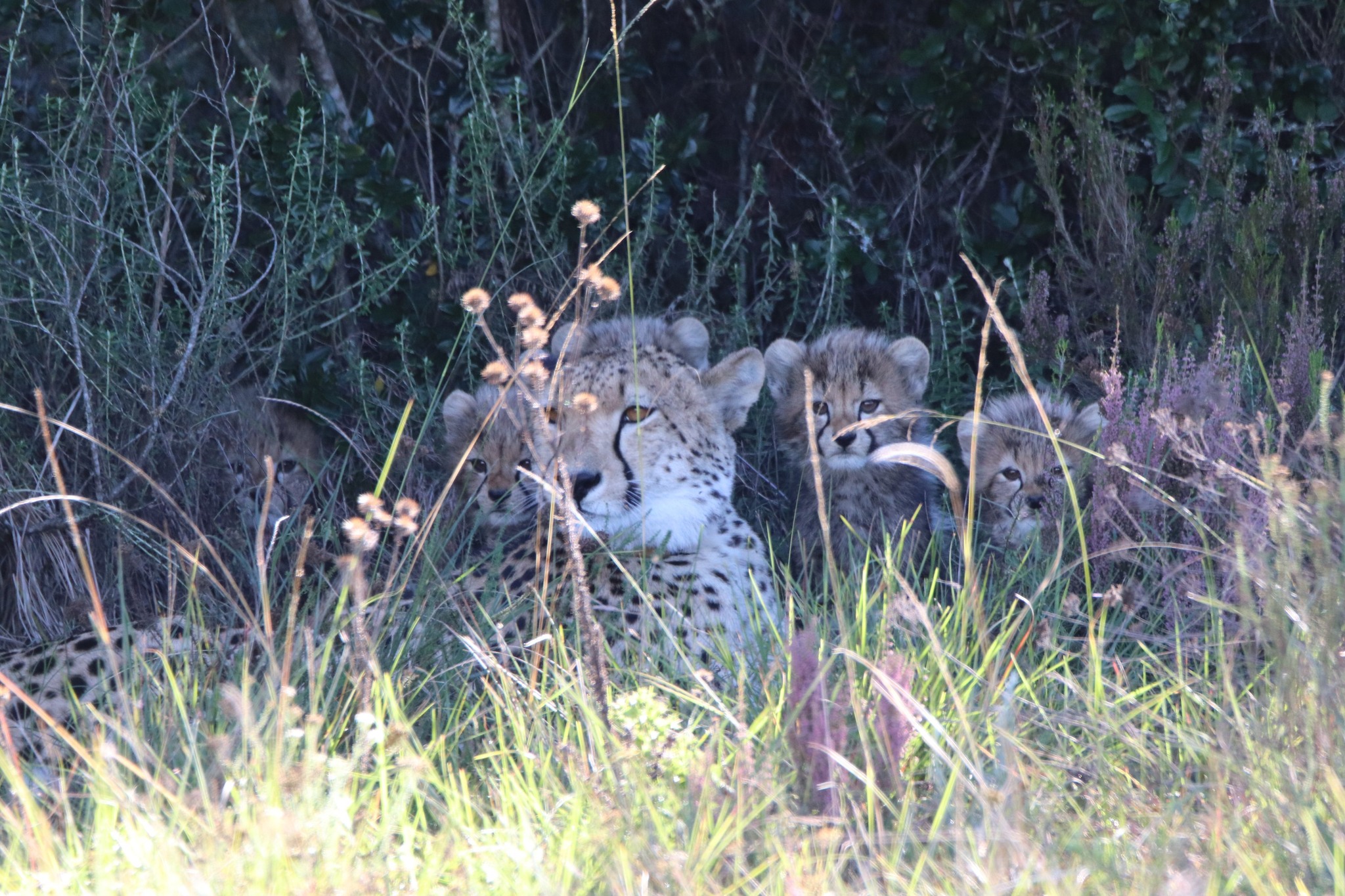
In preparation for their arrival, the dominant resident male will be relocated to Lalibela North, a newly acquired tract of land. “Moving the adult male to the north section will prepare herbivores located there to become accustomed to predators, which is essential for their natural behaviour development,” Lombard notes. “This careful choreography ensures both animal welfare and optimal predator balance across our landscape.”
These conservation efforts are part of a broader strategy to manage both meta-populations across South Africa and micro-populations within individual reserves. “We’re managing both the meta-population across the country and micro-populations within each reserve,” Lombard reiterates.
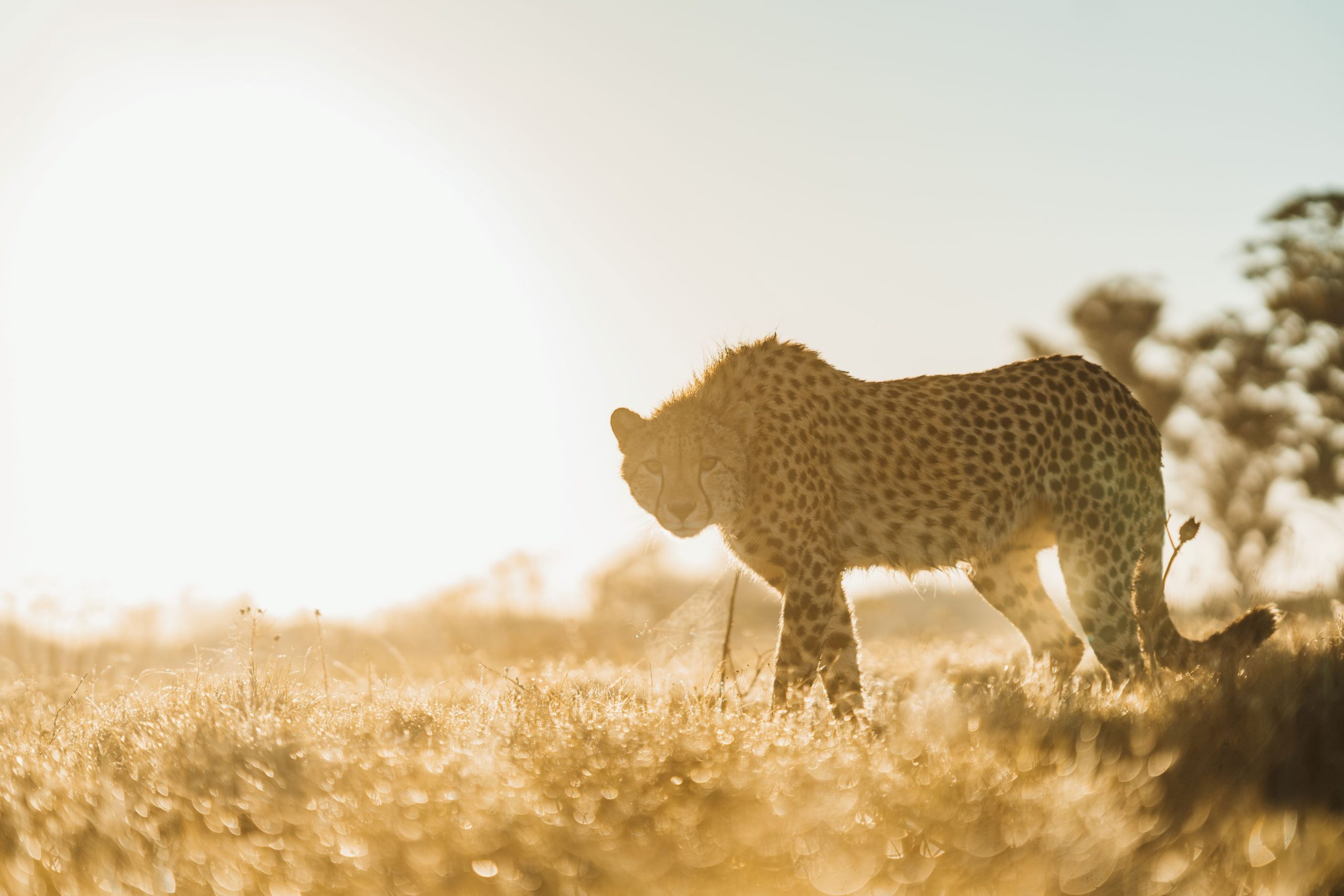
For visitors to Lalibela, these conservation efforts are visible and educational. “By maintaining breeding pairs in different locations of the reserve, we’re enhancing the visitor experience while fulfilling our conservation mission,” Lombard says. “Guests joining our twice-daily game drives from any of our six distinctive lodges will continue to enjoy exceptional cheetah sightings while learning about the science of conservation in action.”
Lalibela’s approach—science-led, collaborative, and transparent—offers a beacon of hope for cheetahs, whose survival depends not only on open savannahs but on innovative, strategic genetic management.
For more information, visit www.lalibela.net/